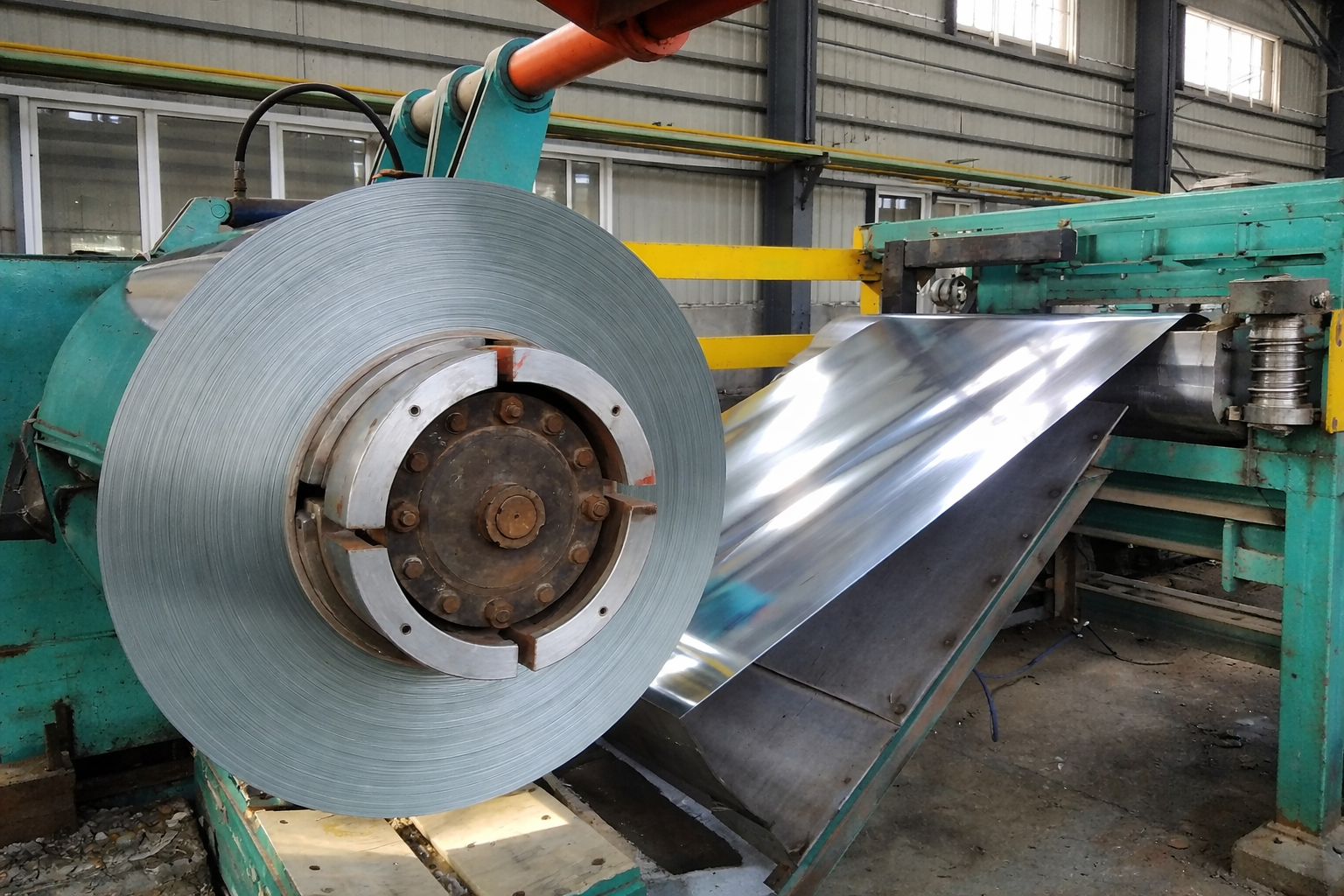
High-precision cold-rolled steel sheets engineered for tin coating and premium metal packaging applications.
Tin Mill Black Plate (TMBP) Sheets
TMBP Sheet
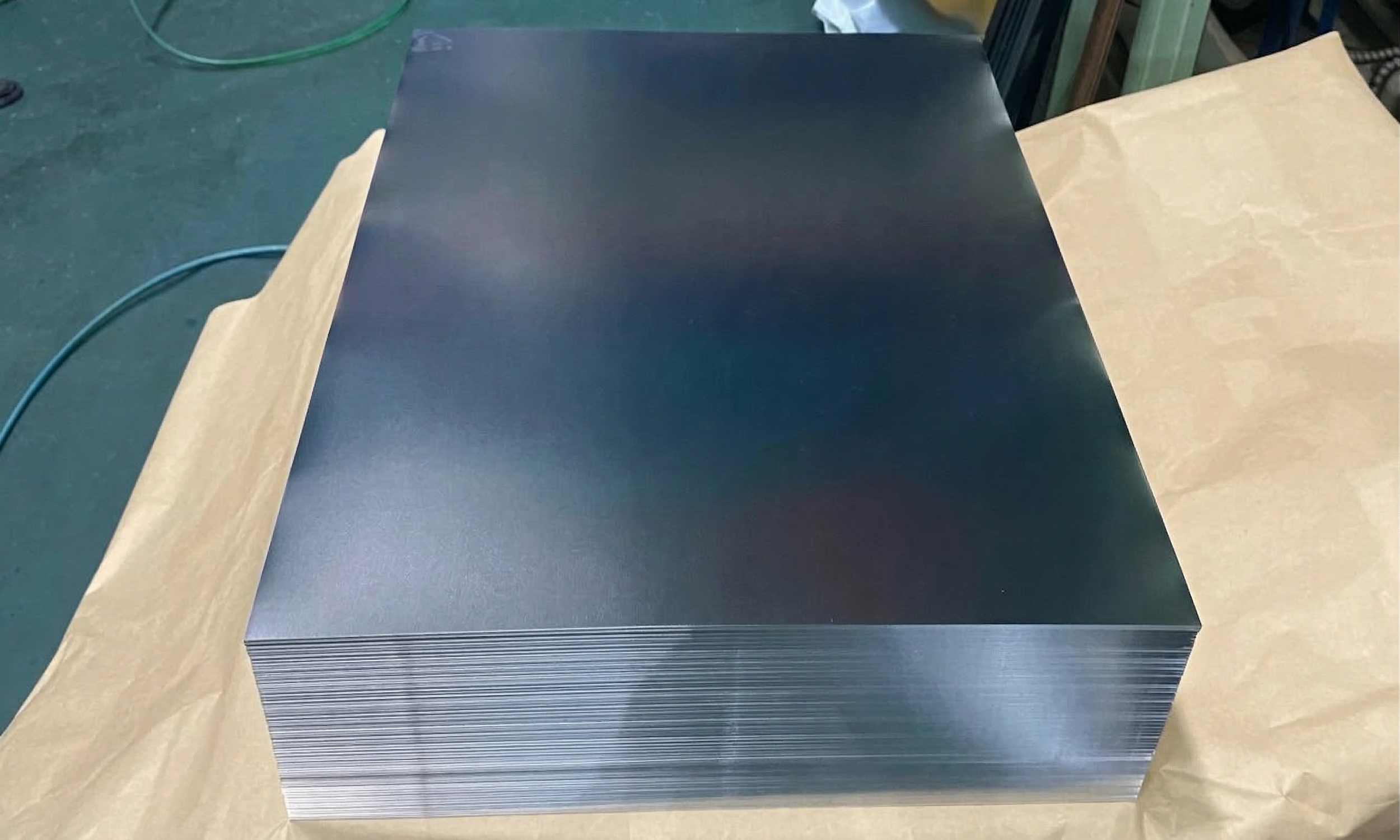
Tin Mill Black Plate (TMBP) Sheet
High-precision cold-rolled steel sheets engineered for tin coating and premium metal packaging applications.
| Product Type | Tin Mill Black Plate (TMBP) Sheet |
| Material | Cold Rolled Steel |
| Type | Tin Plate Base Sheet |
| Technique | Cold Rolled Processed |
| Surface Condition | Smooth & Defect Controlled |
| Application | Metal Packaging & Tin Coating Production |
ETP Coil Specification
-
Tin Mill Black Plate (TMBP) is a cold rolled, low carbon steel sheet produced to precise thickness and surface finish standards. It is the uncoated base steel used for manufacturing tinplate (tin coated) and tin free steel (chromium coated). TMBP is known for its excellent formability, strength, and uniformity.
-
High Purity Steel: Low carbon content for superior performance
Excellent Formability: Ideal for deep drawing and complex shaping
Uniform Thickness & Surface: Ensures consistent coating and finishing
Good Mechanical Strength: Suitable for demanding industrial processes
Versatile Base Material: Compatible with tin and chromium coating
-
Thickness Range: 0.12 mm to 0.50 mm
Temper Grades: T1 to T5 / DR grades (as required)
Finish: Black / Matte finish
Width Range: Customizable
Supply Form: Coils and sheets (cut-to-length available)
-
TMBP is widely used as a base material in:
Tinplate manufacturing
Tin Free Steel (TFS / ECCS) production
Metal packaging industry
Cans, closures, and containers
Industrial fabrication applications
-
TMBP is manufactured with a controlled and smooth surface finish to ensure strong adhesion of the tin coating. Additional cleaning, degreasing, and surface treatment processes are applied to remove impurities and enhance coating bonding performance.
-
The tin coating applied to the base steel is measured by coating mass per unit area, expressed in grams per square meter (g/m²) or pounds per base box (lb/base box).
Coating thickness varies depending on the end-use application and required corrosion protection level.
-
TMBP is supplied in different temper grades based on forming requirements. Common temper conditions include:
Dr 7/7.5/8
Annealed (Fully Soft)
Quarter Hard
Half Hard
Full Hard
The temper level determines the material’s strength, hardness, and formability during packaging production.
-
Surface quality specifications ensure the material is free from defects such as:
Scratches
Pits
Rust
Surface contamination
Strict inspection processes maintain uniform quality and proper performance during tin plating and fabrication.
TMBP Sheet Trade Information




Engineered Base for Tin Coating
TMBP is a cold-rolled steel substrate specifically designed for electrolytic tin plating. It serves as the foundational material for producing tinplate used in metal packaging applications.
Advanced Manufacturing Process
Produced through cold rolling, annealing, and surface preparation, TMBP ensures controlled thickness, improved surface quality, and strong compatibility with tin coating processes.
Superior Formability & Surface Quality
The material offers excellent ductility and smooth surface characteristics, enabling deep drawing, stamping, cutting, and bending without compromising structural integrity.
Industrial & Protective Applications
TMBP is widely used in industrial and technical applications where durability, corrosion resistance, and structural reliability are essential. It serves as a base material for protective coatings, chemical containers, and general engineering uses.
Tell us about your requirements
Recommended Products
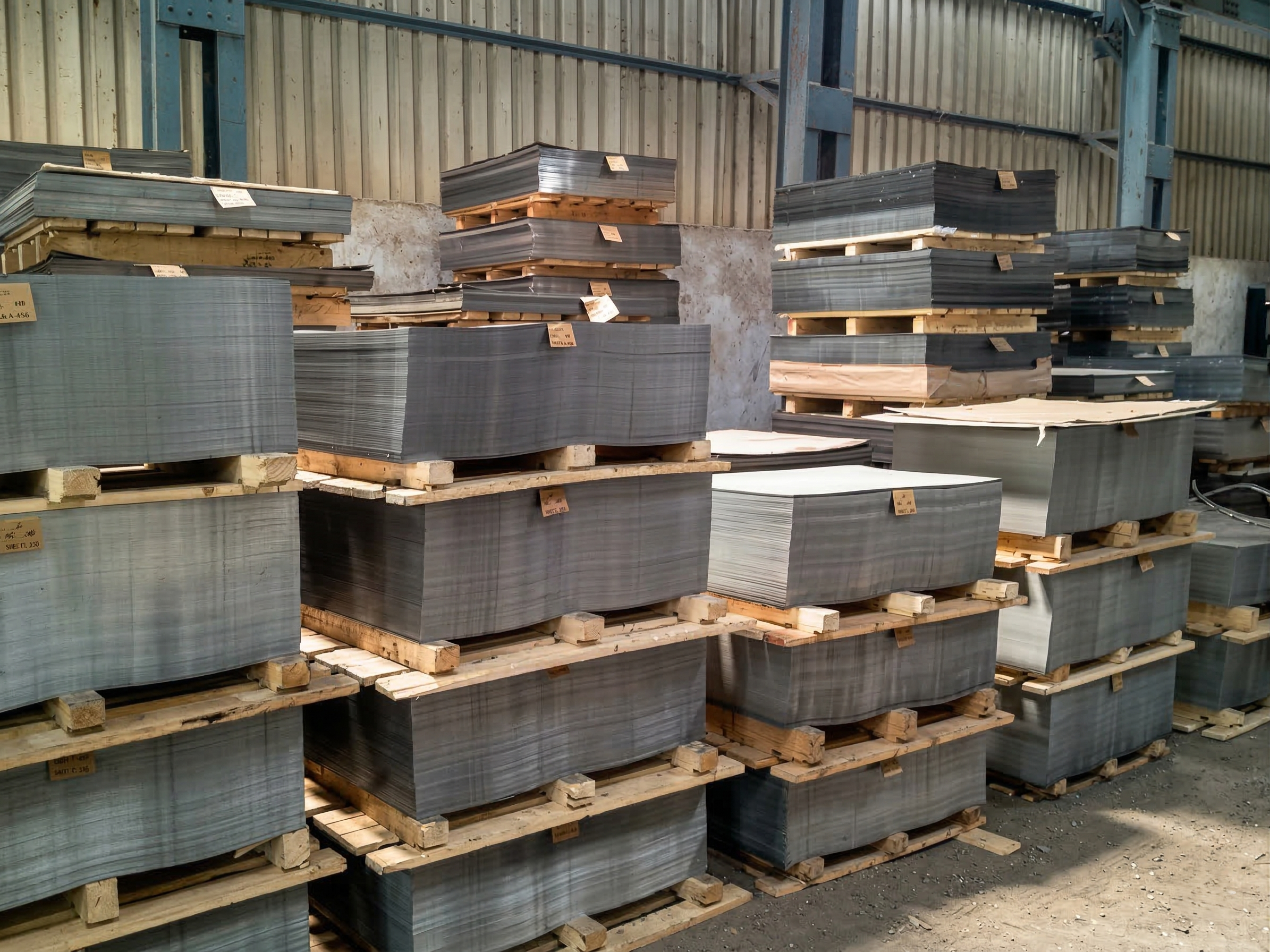
Tinfree Steel Sheet
View Details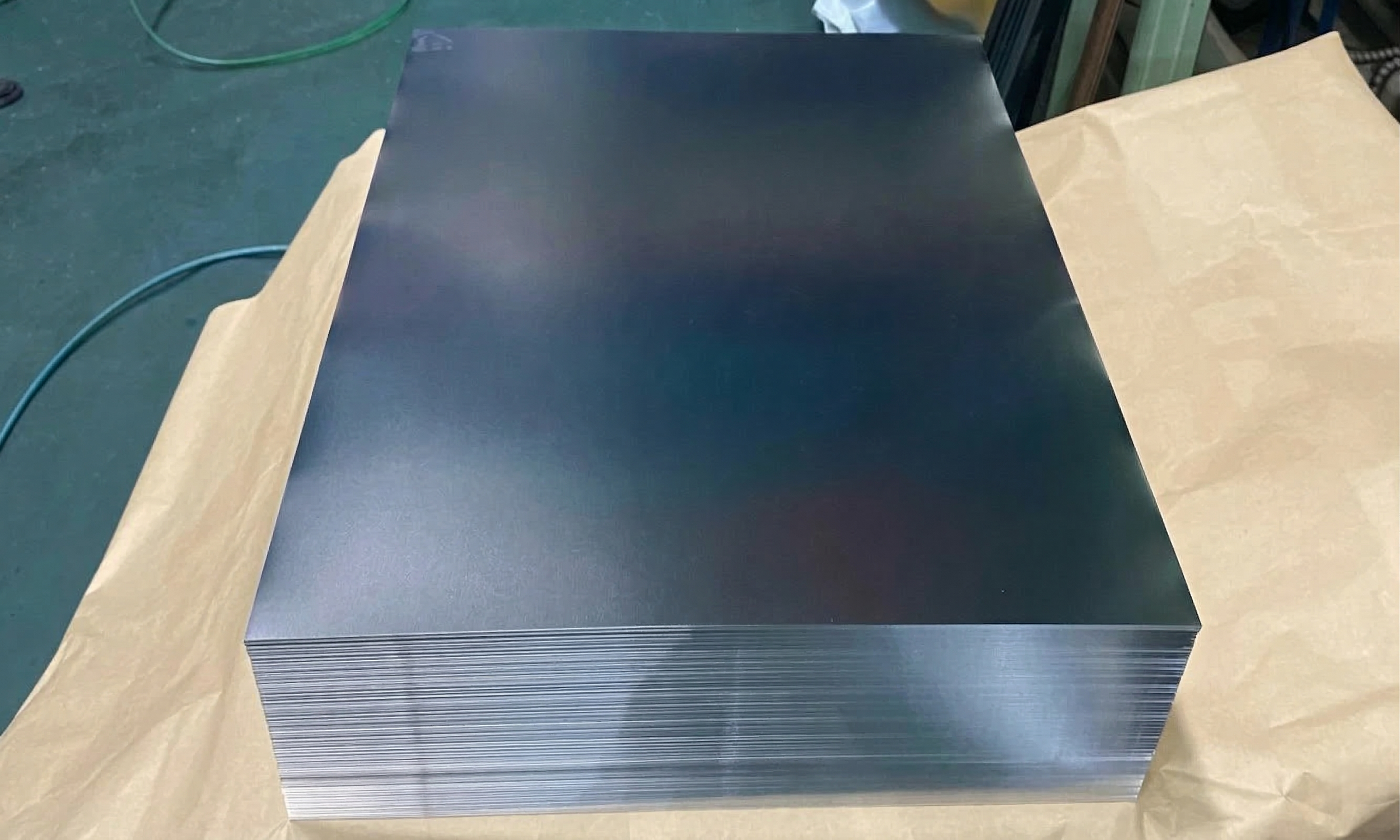
Blackplate / (TMBP) Sheet
View Details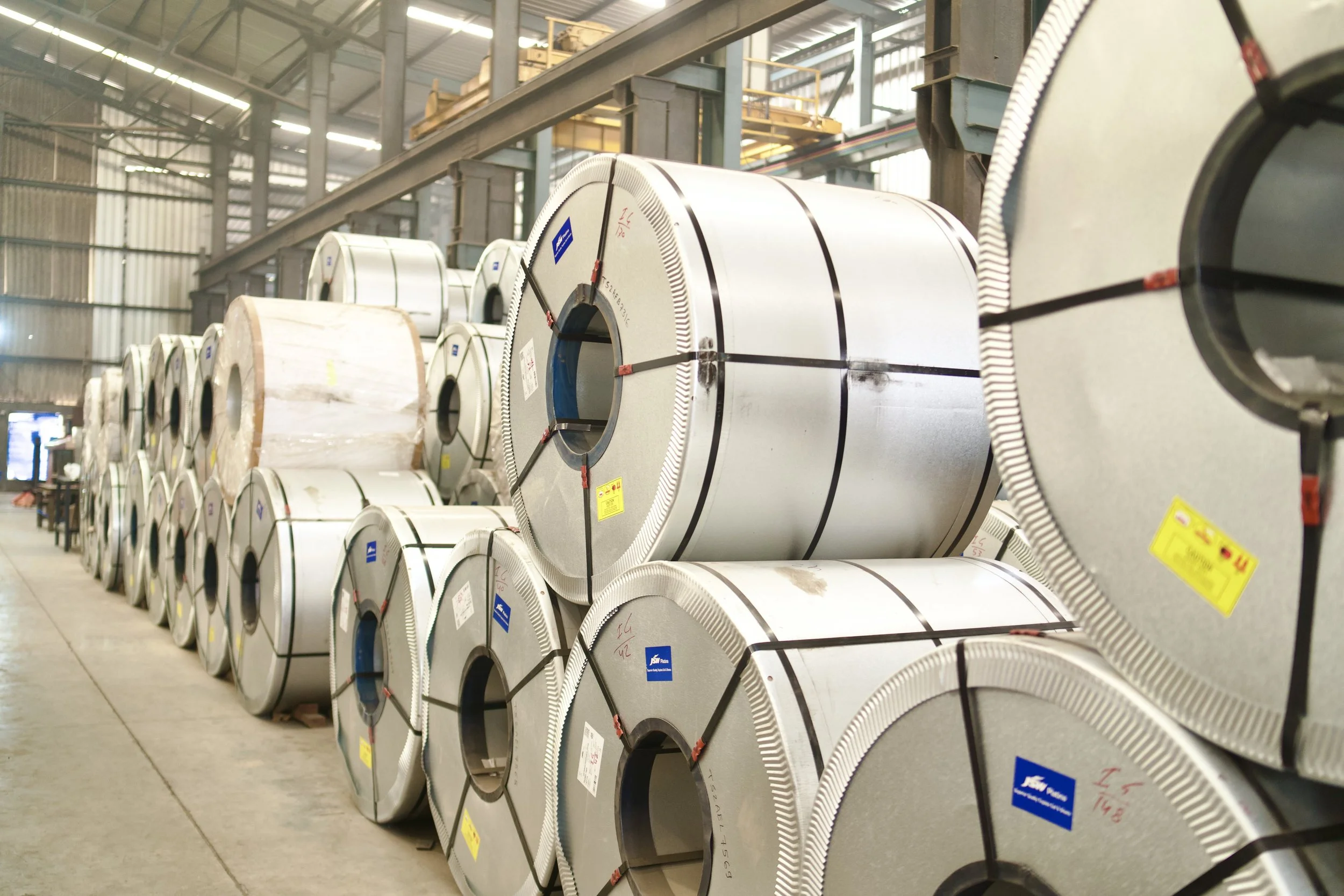
Electrolytic Tinplate (ETP) Coils
View Details